
8 hr
Dugi Otok Island Adventure: Blue Cave, Saharun Beach & Sunken Ship
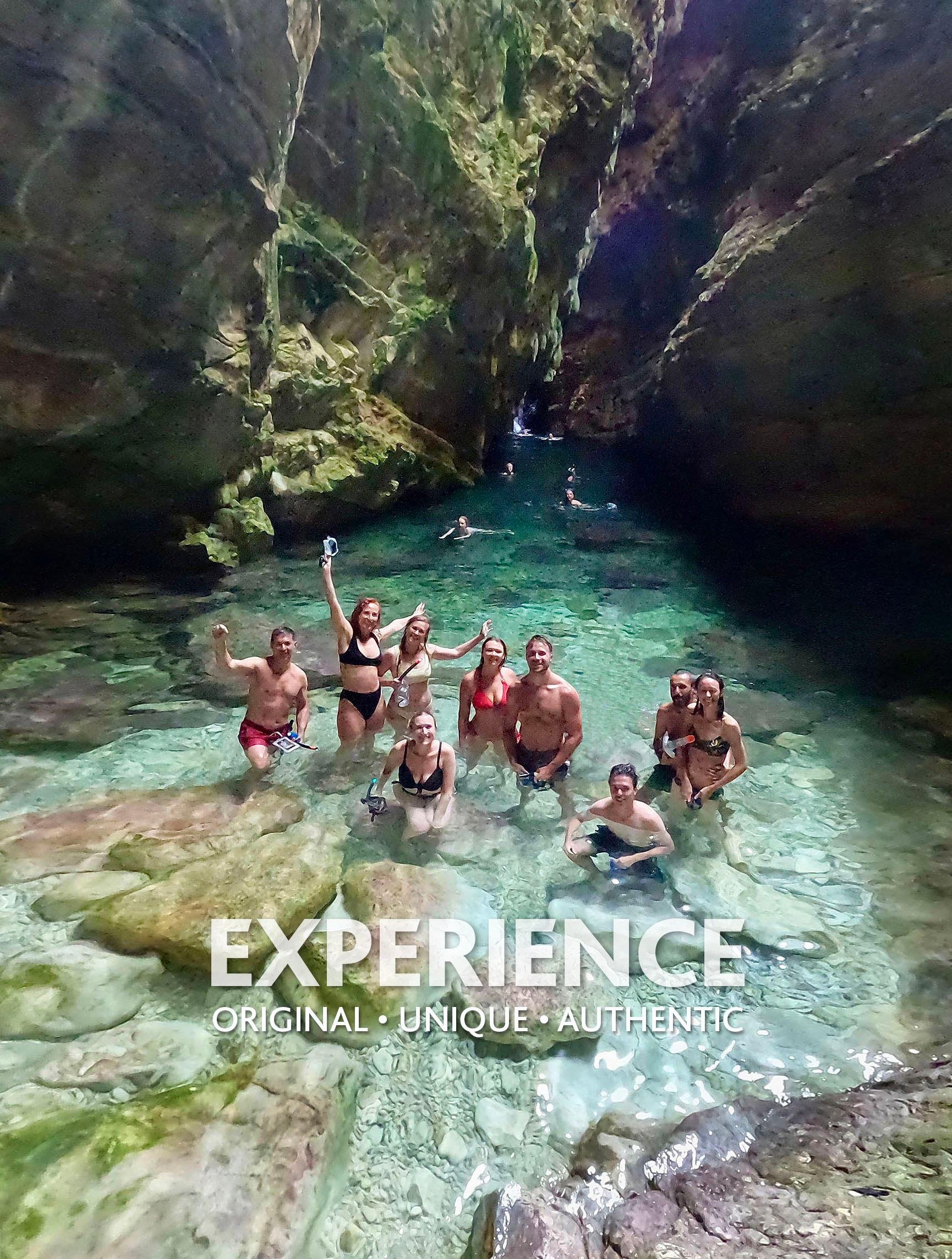
Full-day speedboat journey to hidden caves, pristine beaches, historic shipwrecks, and secluded coves
Reserve
Hand-picked by our editors — only the best 5 experiences from 12 reviewed.
Verified partners for every tour, free cancellation where available, and instant confirmation on every booking.
8 hr
Full-day speedboat journey to hidden caves, pristine beaches, historic shipwrecks, and secluded coves
Reserve
8 hr
Speedboat adventure to military tunnels, shipwrecks, sea caves, and Croatia's most beautiful beach
Reserve
4 hr 30 min
Race across turquoise waters to snorkel a sunken vessel, lounge on a white-sand lagoon, and peek inside a Cold War naval bunker
ReservePrices from verified partners. Availability updates in real time at checkout. Free cancellation policies apply where shown.
The landmarks, rooms, and views travelers on this tour remember — all visible on a single visit.
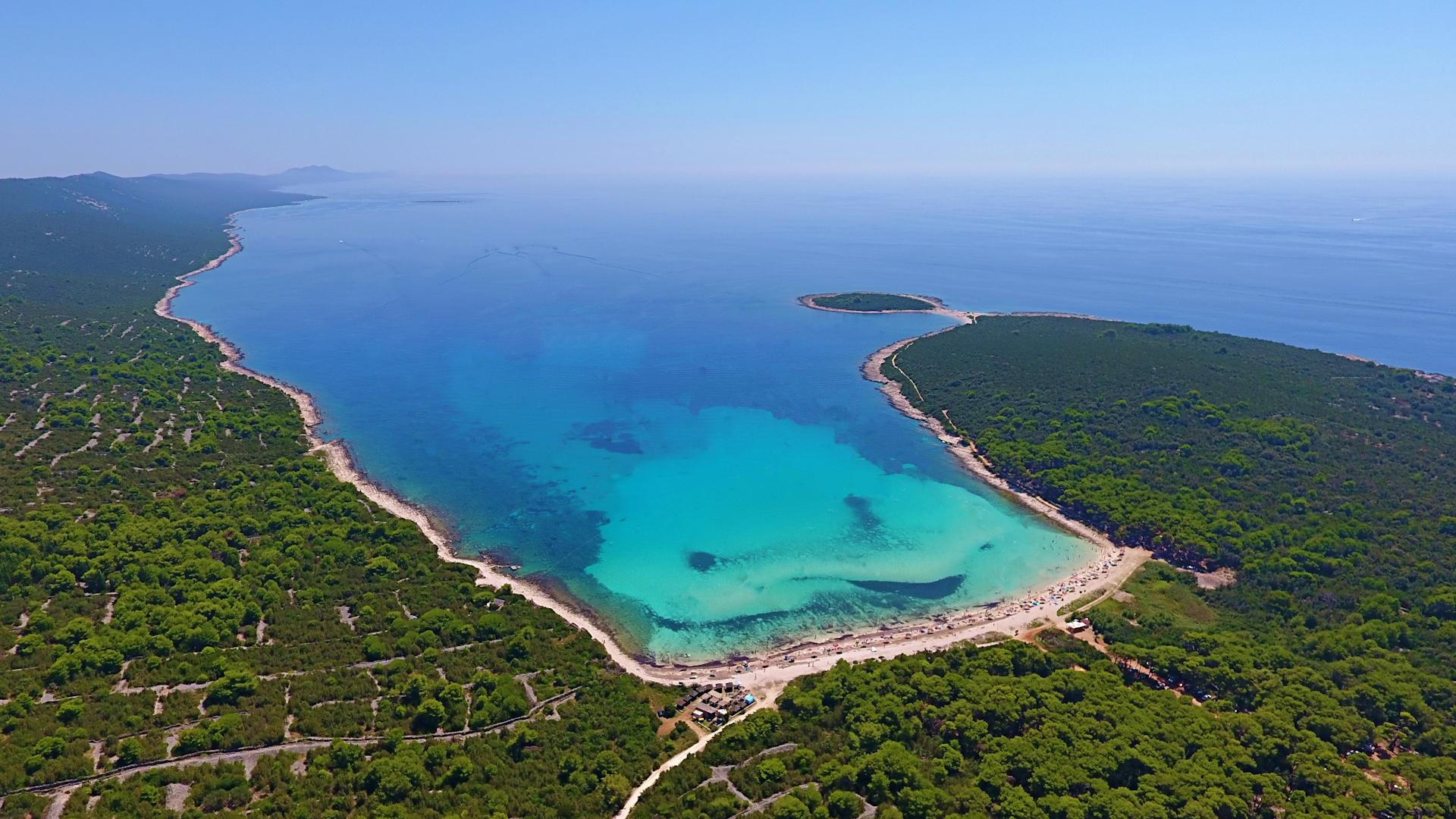
The lagoon extends 250 meters from the shore and remains only 3.5 meters deep at its deepest point. This large shallow area is ideal for wading and keeps the water temperature around 26 degrees Celsius in summer.
A dense border of Aleppo pines, some over 100 years old, surrounds the beach crescent. These trees provide natural shade, keeping the air temperature cooler than the open sand.
This crescent-shaped shoreline stretches for 800 meters along the northwest coast of the island. The unique pale stones transition into soft, silky white sand once you step into the water.
This deep anchorage area accommodates 30 to 40 yachts on a clean, sandy bottom. Sailors utilize this spot because it offers excellent holding in depths of 4 to 8 meters.
Two rustic wooden bars operate seasonally on the edge of the pine forest. These facilities provide light meals and drinks to visitors, but they operate entirely off-grid without card readers.
Sakarun offers a classic white-sand coastline for those seeking social energy, whereas Saharunjica Bay provides a secluded, intimate alternative for travelers preferring silence. Most visitors who do both call Saharunjica the more tranquil choice, while the popular sakarun beach trip from zadar tours are better suited for those who enjoy established seaside amenities.
| Feature | Top pick Sakarun Beach | Saharunjica Bay |
|---|---|---|
Crowd Density |
High peak season density | Very low, secluded |
Accessibility |
Easy access by boat or road | Difficult, requires hiking or private boat |
Amenity Level |
Sunbeds, bars, and cafes available | No facilities or services |
Typical Vibe |
Social and lively atmosphere | Quiet and private relaxation |
Snorkeling Quality |
Clear shallow waters, sandy bottom | Rocky, excellent marine life visibility |
| See tickets → |
Verdict: Choose the sakarun beach trip from zadar tour if you prioritize comfort and convenience, but opt for Saharunjica Bay if you value quiet solitude over accessible sakarun beach trip from zadar tickets.
Choose your ticket, select your date, and reserve in under two minutes. Secure checkout handled by our verified partner.
Instant confirmation by email, with a mobile voucher you can save offline. No printing, no queuing at a collection desk.
Arrive at the entrance, show your voucher on your phone, and walk in. Most tickets include priority or skip-the-line access.
Practical details for your visit straight from our verified partners — hours, access, rules, and how to get there.
Gaženička cesta, 23000, Zadar, Croatia
Main departure point for car ferries to Brbinj.
Take the Jadrolinija catamaran (Line 9404) from Zadar Old Town to Božava, then ride the tourist train directly to the beach.
Drive onto the car ferry (Line 434) from Zadar Gaženica to Brbinj, then follow the local road north toward Soline and follow signs to the beach parking lot.
Book a private speedboat taxi from Zadar's waterfront directly to Sakarun Bay. This option bypasses ferry schedules.
Standard swimwear is appropriate. Water shoes are highly recommended due to the pebble shoreline, though the sea bottom inside the water is soft sand.
No security checkpoints or lockers are available. Keep your belongings close and do not leave valuables unattended on the beach.
Recreational photography is permitted. Drones may be used in accordance with Croatian flight regulations, provided you respect the privacy of other beachgoers.
For a Sakarun beach trip from Zadar, note that the sandy beach lacks paved paths. Wheelchair access is highly limited, and there are no specialized ramp entries into the sea.
Cell reception is generally reliable across the bay. There are no charging ports on the beach, so a portable power bank is recommended.
Families booking a Sakarun beach trip from Zadar will find the shallow waters ideal for toddlers. The pine forest offers plenty of natural shade to protect children from the sun.
During a Sakarun beach trip from Zadar, carry physical cash for local dining options. Two small seasonal bars sell drinks and snacks, but card payments are rarely accepted.
Bringing pets on a Sakarun beach trip from Zadar is permitted, provided they remain leashed. Pet owners must clean up after their dogs immediately.
To ensure a smooth Sakarun beach trip from Zadar, remember that mobile signals can vary. Simple chemical toilets are set up during the high summer season.
Gaženička cesta, 23000, Zadar, Croatia
Main departure point for car ferries to Brbinj.
Get directionsLiburnska obala, 23000, Zadar, Croatia
Departure point for passenger-only catamarans to Božava.
Get directionsBest time to go, insider tips, nearby landmarks, and the cancellation fine print — flip through to skim what matters to you.
How crowds, weather, and events shift across the year.
High season brings warm sea temperatures of 24–27 °C and full operation of the beach bars and tourist trains. However, this is also when the bay is busiest with day-trip boats.
September offers warm water, fewer crowds, and pleasant weather, making it the perfect time for quiet relaxation. Keep in mind beach bars and public transit services begin to scale back.
Late spring brings sunny days, but the sea is still cool for swimming, averaging 18 °C. It is ideal for hiking and exploring Dugi Otok without summer crowds.
The beach is peaceful and completely deserted, though transport options from Zadar are limited and local facilities are closed. Excellent for remote coastal walks.
Small details that turn a good visit into a great one.
The canonical best arrival window is 08:00–11:00. Getting here early allows you to secure a prime spot on the sand and under the pine trees before tourist boats arrive.
Most vendors at the beach bars do not accept credit cards. Be sure to carry enough cash for refreshments, parking, and the local train.
While there is natural shade from the pine forest, the shallow lagoon reflects intense sunlight. Bring eco-friendly sunscreen and plenty of drinking water.
The entrance to the water is soft sand, but the shore itself contains small pebbles and stones. Water shoes will make walking along the shoreline much more comfortable.
Ferry connections between Zadar and Dugi Otok run only a few times a day. Check the Jadrolinija schedules carefully to avoid missing the last return boat.
This is a protected natural landscape. Dispose of all trash in the designated bins or carry it back with you to help preserve the clean waters.
Non-bookable sights within a short walk — free to visit, easy to pair.
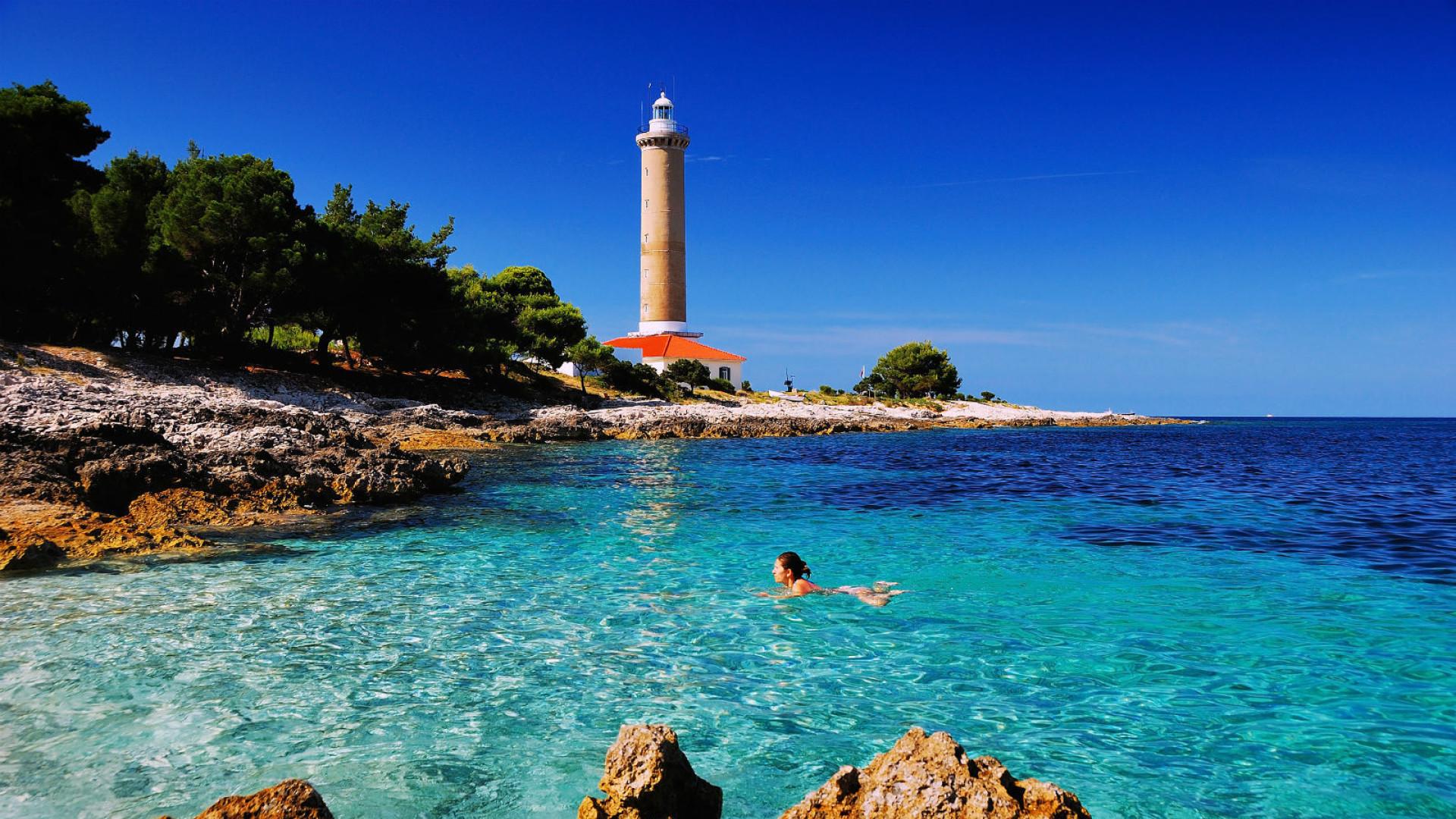
A historic 42-meter-tall lighthouse built in 1849, offering views of the open sea and Zadar archipelago.
A secluded bay on the west coast of Dugi Otok, famous for its dramatic cliffs, sea cave, and fossil deposits.
A natural sea cave nearby accessible by kayak or swimming, illuminated by light entering through a ceiling opening.
A small, picturesque harbor village with cafes, stone houses, and the terminal for the beach train.
Flexible, no hidden fees.
When booking a Sakarun beach trip from Zadar, please verify the provider's cancellation policies. Most boat tour operators offer a full refund if canceled at least 24 hours before departure, while beach entry itself is 0 EUR (Free entry).
Hand-picked options within walking distance — pick a district for vibe, or a specific hotel for convenience.
The closest village to the beach, offering private holiday apartments and quiet local guesthouses.
A complex of seaside hotels located in the neighboring village, offering swimming pools and dining options.
A quiet hamlet near the lighthouse with self-catering apartments, ideal for nature lovers.
Sakarun sits on the northwestern shoulder of Dugi Otok, forty nautical miles from Zadar, where the Adriatic shallow-water shelf meets the island's limestone spine. The beach stretches nearly eight hundred metres in a crescent of crushed shell and coral sand, backed by a stand of Aleppo pine planted in the nineteen-sixties to stabilize the dunes. The seabed slopes so gradually that the water remains chest-high a hundred metres from shore, and the pale sediment reflects sunlight upward, turning the lagoon the colour of meltwater over glacial silt. The name derives from šećer, the Croatian word for sugar, a reference to the sand's granular whiteness. Dugi Otok has been inhabited since Neolithic times, but Sakarun remained undeveloped until the Yugoslav era, when the state forestry service planted the pine belt and cut a single-lane road from Božava. The beach entered the international travel circuit in the early two-thousands, and seasonal infrastructure—wooden sun-loungers, a mobile refreshment kiosk, portable lavatories—now appears between May and September. The surrounding coastline forms part of Telašćica Nature Park, and the shallow bay supports colonies of noble pen shell, a bivalve endemic to the Adriatic that has declined across most of its historic range. The sakarun beach trip from zadar departs from Zadar's Liburnska obala quay and crosses the Zadarski kanal, skirting the smaller islands of Ugljan and Rivanj before reaching Dugi Otok's sheltered western shore. Most expeditions include a stop at the Brbišćica caves, where seawater has carved chambers into the karst, and a visit to the Mežanj shipwreck, a cargo vessel scuttled in 1983 that now rests in twelve metres of water and serves as a snorkelling site. The crossing takes between forty-five minutes and an hour depending on sea state, and operators schedule departures to allow at least three hours on the beach itself. Sakarun remains accessible only by boat or along the unpaved road from Božava, a deliberate choice by the island's council to limit vehicle traffic. The lack of permanent structures—no hotels, no jetty—has preserved the beach's appearance, and the shallow gradient makes it one of the few Adriatic swimming sites where visibility extends unbroken to the horizon. The turquoise water and white sand have drawn comparisons to Caribbean lagoons, though the geology is distinctly Mediterranean: calcium carbonate substrate, macchia scrub on the headlands, and the constant scent of resin from the pine canopy.
"The seabed slopes so gradually that the water remains chest-high a hundred metres from shore, and the pale sediment reflects sunlight upward, turning the lagoon the colour of meltwater over glacial silt."
A step-by-step walkthrough of the visit — what you'll see, how long each stage takes, and the details that matter.
You board at Liburnska obala before nine, the speedboat nosing past the Sea Organ as the harbour falls away behind you. The crossing takes fifty minutes, the hull skipping over the wake of the morning ferry, and the first sight of Sakarun is the pine fringe dark against the sand. The boat beaches on the northern end of the crescent, and you step into ankle-deep water so clear you count the ridges in the sand beneath your feet. You walk the length of the beach, the shoreline empty except for a handful of other visitors spreading towels beneath the trees. The water stays shallow for a hundred metres, warm as bathwater in the shallows, and you wade out until the seabed drops and the colour shifts from pale turquoise to deeper blue. After swimming, you dry off in the shade of the pines, the resin scent thick in the still air, and eat the packed lunch handed out on the boat. Mid-afternoon, the group returns to the speedboat for the second leg: a stop at the Mežanj wreck, where you snorkel above the rusted hull, and a detour into the Brbišćica caves, the limestone walls striped with tidal marks. The return crossing is slower, the boat tracing the coastline of Ugljan, and you dock in Zadar as the sun slants across the cathedral's stone façade.
Sakarun Beach itself is open 24 hours a day, with daily hours from 00:00–23:59. However, boat tours and ferry services operate on schedules that vary depending on the season.
No, Sakarun Beach does not require any entry tickets because the entrance fee is 0 EUR (Free entry). You only need to pay for your chosen transportation option from Zadar.
You should pack sunscreen, beachwear, and water shoes, which are essential when visiting Sakarun Beach. Also, bring cash for the beach bars.
Yes, you can park your vehicle in the paid parking lot located in the pine forest just behind Sakarun Beach. This is convenient if you drive a rental car from Zadar.
Yes, dogs are welcome on Sakarun Beach as long as they remain on a leash at all times. Verify with your specific boat operator before booking.
Access to Sakarun Beach is free with an entry cost of 0 EUR (Free entry). For transport bookings, tour operators generally offer a full refund if canceled at least 24 hours in advance.
Two seasonal beach bars operate in the bay, allowing you to dine near Sakarun Beach. They sell drinks and light snacks but only accept cash payments.
The best arrival window for a Sakarun beach trip from Zadar is 08:00–11:00. Arriving at Sakarun Beach during these hours helps you find a parking spot and avoid peak crowds.
The natural sandy terrain and lack of paved walkways limit accessible conditions at Sakarun Beach. There are no specialized ramps or wheelchair facilities available.
You can travel to the address at Sakarun Beach, 23287, Soline, Dugi Otok, Croatia by taking a ferry or catamaran from Zadar to the island, followed by a local bus or tourist train.