
8 hr
Dugi Otok Discovery & Snorkeling Adventure
Speedboat journey to Croatia's hidden coastline: sunken ships, sea caves, and turquoise bays
Reserve
Turquoise shallows and white sand dunes, reached by sea from Zadar
Hand-picked by our editors — the best 5 island adventures from 14 reviewed.
Verified partners for every tour, free cancellation where available, and instant confirmation on every booking.
8 hr
Speedboat journey to Croatia's hidden coastline: sunken ships, sea caves, and turquoise bays
Reserve
8 hr
Full-day speedboat journey to Croatia's hidden gem with cave exploration, pristine beaches, and WWII history
Reserve
8 hr 30 min
Full-day speedboat journey to Dugi Otok's pristine beaches, underwater caves, and hidden military history
ReservePrices from verified partners. Availability updates in real time at checkout. Free cancellation policies apply where shown.
The landmarks, rooms, and views travelers on this tour remember — all visible on a single visit.
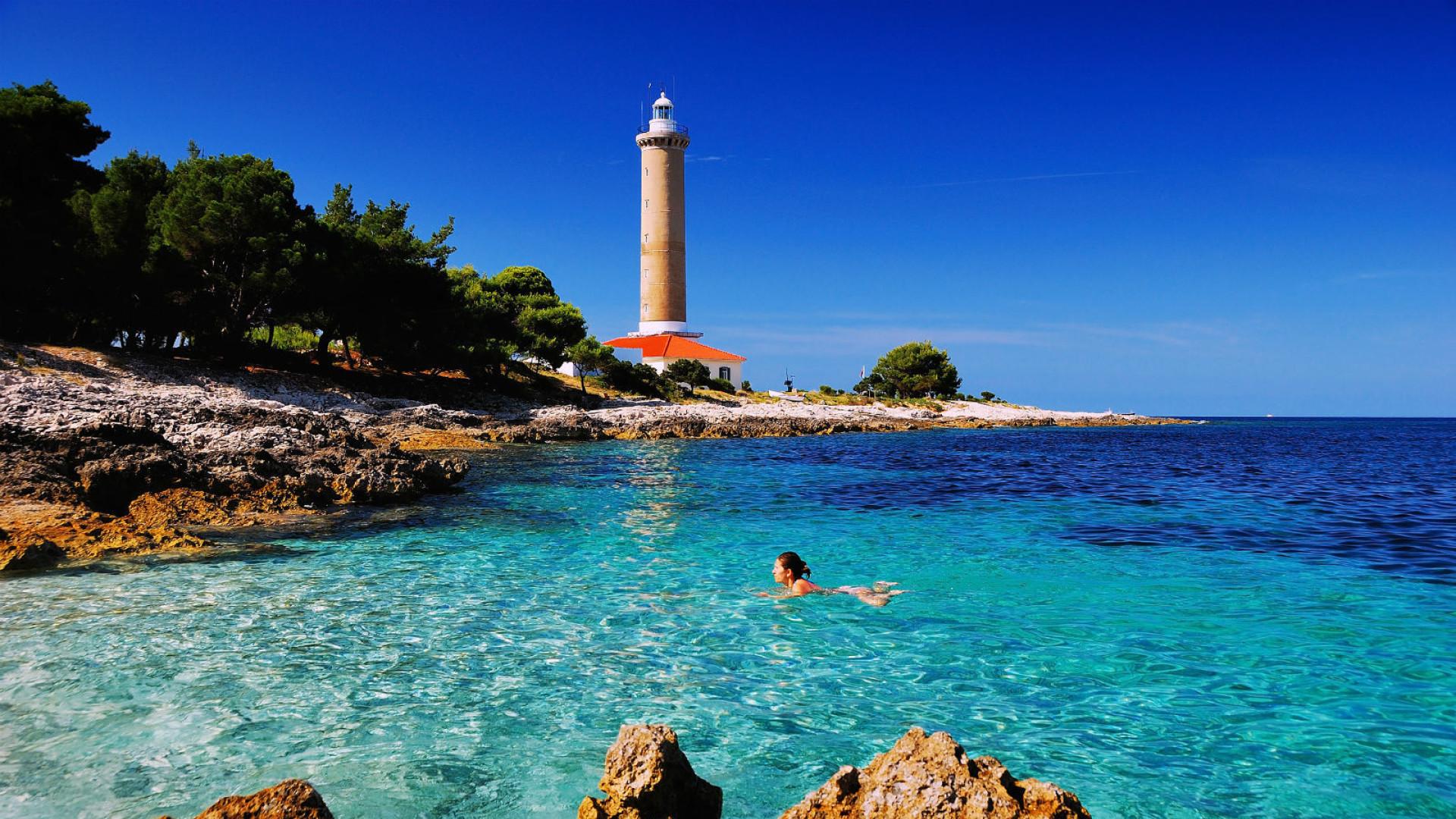
Standing at the northern tip of Dugi Otok, this 19th-century landmark is the tallest lighthouse in the Adriatic. It offers panoramic views of the surrounding islands and clear waters.
They complement each other, yet most visitors who do both call a sakarun beach excursion the more gentle experience while Veli Žal offers superior underwater exploration. This comparison helps you select the right Dugi Otok landmark for your daily itinerary.
| Feature | Top pick Sakarun Beach | Veli Žal Beach |
|---|---|---|
Beach composition |
Fine white sand | Rounded pebbles |
Water depth |
Very shallow lagoon | Rapidly deepening |
Snorkeling quality |
Limited marine life | Excellent rocky reef |
Crowd levels |
High peak occupancy | Low to moderate |
Primary visitor type |
Families and bathers | Divers and snorkelers |
| See tickets → |
Verdict: If you prioritize soft sand for leisure, book your sakarun beach excursion tours; if you prefer clear water for diving, choose Veli Žal instead, as sakarun beach excursion tickets are best for those seeking calm swimming conditions.
Choose your ticket, select your date, and reserve in under two minutes. Secure checkout handled by our verified partner.
Instant confirmation by email, with a mobile voucher you can save offline. No printing, no queuing at a collection desk.
Arrive at the entrance, show your voucher on your phone, and walk in. Most tickets include priority or skip-the-line access.
Best time to go, insider tips, nearby landmarks, and the cancellation fine print — flip through to skim what matters to you.
Flexible, no hidden fees.
Cancellation terms depend on the specific provider for your sakarun beach excursion; check your booking confirmation for details. Access to the beach itself is free of charge (0 EUR).
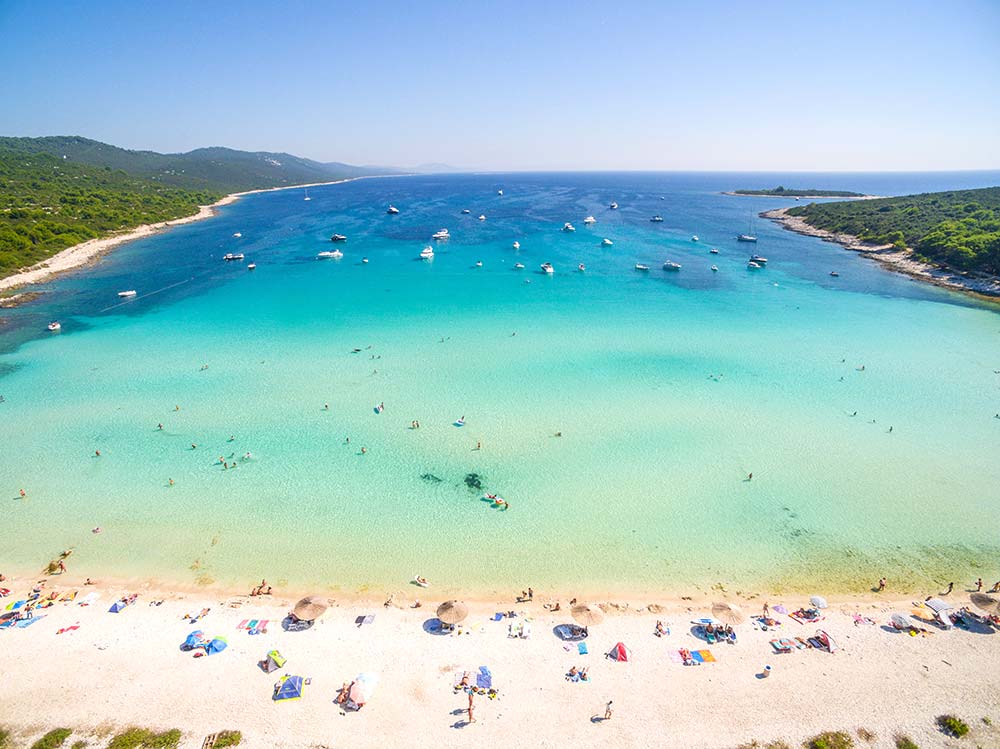
Sakarun Bay sits at the northwest tip of Dugi Otok, seventeen nautical miles from Zadar, where a crescent of white pebble sand curves into water the color of Caribbean postcards. The beach occupies a shallow lagoon fed by karst springs that keep the shallows cool even in August, and the sand itself is crushed shell and coral carried north by Adriatic currents over millennia. Locals still call it Saharun, the old Dalmatian name, though Croatian signage adopted the phonetic spelling in the 1990s. Pine forests back the dunes, and the seabed slopes so gradually that you can wade thirty meters offshore and still touch bottom. Dugi Otok has no bridge and no ferry terminal on its northern half, so reaching Sakarun means crossing open water by private boat or joining a scheduled speedboat departure from Zadar's Liburnska Obala quay. The crossing takes forty to sixty minutes depending on sea state, and operators bundle the beach stop with snorkeling at Golubinka Cave and a swim near the wreck of the Michelle, a cargo ship that ran aground off Veli Rat in 1983. The island itself is the longest in the Zadar archipelago, measuring forty-four kilometers tip to tip, with fewer than seventeen hundred permanent residents spread across eight villages. Soline, the settlement nearest the beach, consists of a dozen stone houses and a seasonal konoba that opens when the first tour boats arrive in May. Sakarun became a protected landscape in 2012 under Croatian nature park regulations, which prohibit permanent structures within fifty meters of the high-tide line and limit anchoring to designated buoys. The conservation fee was abolished in 2019, and access is now free year-round. Peak season runs from June through early September, when up to fifteen speedboats per day moor in the bay and day-trippers claim the narrow belt of shade beneath the pines. The water temperature holds steady at twenty-three to twenty-six degrees Celsius through summer, warmer than the exposed coast because the lagoon traps solar heat. Most sakarun beach excursion tours depart Zadar mid-morning and return by late afternoon, allowing two to three hours on the sand between cave dives and the return crossing.
"The seabed slopes so gradually that you can wade thirty meters offshore and still touch bottom."
Facilities are seasonal, with beach bars operating June–September; there are no showers or permanent toilets.
No, pets are not allowed on the beach.
Yes, the clear, shallow water is excellent for snorkeling, especially around the rocky edges of the bay.
Yes, the shallow, calm, and warm waters make it ideal for children of all ages.
Bring plenty of water, sunscreen, a sun hat, cash for local bars, and appropriate snorkeling equipment.